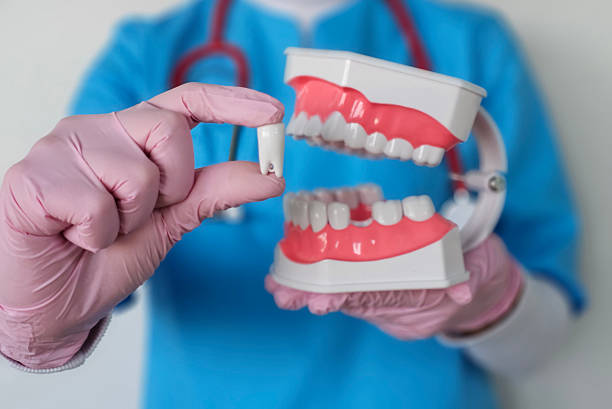
Dental Implants Consultation Explained: Evaluation, Planning, and Costs
Choosing dental implants to replace missing teeth is an important decision that typically begins with a detailed assessment. Before implant treatment can be planned, a dental professional needs to evaluate your oral health, jawbone, remaining teeth, and overall treatment needs. A Dental Implants Consultation provides an opportunity to understand these factors and discuss whether implants may be suitable for your situation.
The consultation is also a chance to learn about the different stages of treatment, expected timeline, potential procedures, and estimated costs. Knowing what happens during this appointment can help you prepare questions and understand what to expect before moving forward.
What Is a Dental Implants Consultation?
A Dental Implants Consultation is an appointment focused on evaluating whether dental implants are an appropriate option for replacing missing teeth. During the appointment, the dental professional reviews your dental history, examines your mouth, and may recommend diagnostic imaging.
The goal is not simply to determine whether an implant can be placed. The consultation also helps establish a treatment approach based on factors such as the number of missing teeth, the condition of the jawbone, gum health, bite, and the type of restoration required.
Because every patient has different needs, the recommended treatment plan can vary significantly.
What Happens During the Initial Evaluation?
The appointment commonly begins with a discussion about your dental history and concerns. You may be asked about missing teeth, previous dental procedures, current oral health concerns, and any medications or treatments that could be relevant to your dental care.
The dental professional may then examine your teeth and gums, evaluate your bite, and assess the areas where teeth are missing. This examination can help identify existing problems that may need attention before implant treatment begins.
You should also explain what you want to accomplish with treatment. Whether your primary concern is chewing, appearance, comfort, or replacing several missing teeth, communicating your expectations can help with treatment planning.
See also: How IT Logistics Services Support Modern Businesses
Why Is Diagnostic Imaging Important?
During a Dental Implants Consultation, diagnostic imaging may be recommended to provide a more detailed view of your teeth and jaw. Depending on your circumstances, this may include dental X-rays or three-dimensional imaging.
Imaging can help the dental professional assess the available bone and identify important anatomical structures in the proposed implant area. It can also provide information needed to determine the appropriate implant position and treatment approach.
The type of imaging required depends on the individual case. Not every patient will need the same diagnostic tests.
Assessing Jawbone and Gum Health
Adequate bone and healthy surrounding tissues are important considerations when planning dental implants. If a tooth has been missing for a long period, the jawbone in that area may have changed over time.
A detailed evaluation helps determine whether there is sufficient bone to support the planned implant. If there is not enough bone, additional treatment such as bone grafting may be discussed.
Gum health is also evaluated because existing gum problems may need to be treated before implant placement. Addressing these concerns can become an important part of the overall treatment plan.
Creating a Personalized Treatment Plan
After completing the examination and reviewing diagnostic information, the dental professional can explain the recommended treatment plan. A Dental Implants Consultation is an important part of this planning process because it allows the proposed treatment to be tailored to your specific needs.
The plan may address:
- The number of implants required
- The location of each implant
- Preparatory procedures that may be necessary
- The type of restoration planned
- The expected treatment stages
- The approximate healing period
- Follow-up appointments and maintenance
Some patients may need a single implant, while others may require multiple implants or a different restoration approach. The complexity of treatment depends on the individual circumstances.
Understanding the Treatment Timeline
Dental implant treatment often takes place over multiple appointments rather than being completed in one visit. The timeline can depend on whether preparatory procedures are necessary and how quickly the mouth heals.
In a typical treatment sequence, an implant may first be placed into the jawbone. A healing period then allows the implant to integrate with the surrounding bone. Once the appropriate healing has occurred, an abutment and final restoration may be placed.
The exact timeline varies from person to person. During your Dental Implants Consultation, ask for an estimated timeline based on your proposed treatment plan rather than relying on general timeframes.
What Does Dental Implant Treatment Cost?
Cost is one of the most common concerns patients have when considering implants. However, there is no universal price because treatment requirements differ between individuals.
The overall cost may include:
- Consultation and examination
- Diagnostic imaging
- Implant placement
- Abutment
- Crown or other restoration
- Bone grafting, if required
- Tooth extraction, if necessary
- Follow-up appointments
Ask for a detailed treatment estimate that clearly explains what is included. It is also useful to ask whether additional procedures could increase the final cost.

Discussing Payment and Financing Options
A Dental Implants Consultation is also an appropriate time to discuss payment arrangements. If the treatment represents a substantial expense, ask what payment or financing options may be available.
Before accepting financing, review the interest rate, repayment period, fees, monthly payment, and total amount that will be repaid. A lower monthly payment does not necessarily mean a lower overall cost because extending the repayment period can increase the amount of interest paid.
Understanding the financial commitment before treatment begins can help you plan appropriately.
Questions to Ask During Your Consultation
Preparing questions in advance can make your consultation more productive. Consider asking:
- Am I a suitable candidate for dental implants?
- How many implants might I need?
- Will I need bone grafting or other preparatory treatment?
- What type of restoration is recommended?
- How long could the complete process take?
- What should I expect during recovery?
- What is included in the treatment estimate?
- Are there additional costs I should anticipate?
- What maintenance will be required after treatment?
You can also ask about the dental professional’s training and experience with implant treatment.
How to Prepare for Your Appointment
Before your Dental Implants Consultation, gather relevant dental records if they are available and prepare a list of medications and previous dental procedures. Writing down your questions beforehand can help ensure that important concerns are addressed.
Think about your goals for treatment as well. Understanding what you want to improve can help you have a clearer discussion about possible treatment options.
Conclusion
A Dental Implants Consultation is an important first step in understanding whether dental implants are appropriate for replacing missing teeth. The appointment can involve an oral examination, diagnostic imaging, evaluation of jawbone and gum health, treatment planning, timeline discussions, and cost estimates.
Because implant treatment varies from patient to patient, it is important to focus on an individualized treatment plan rather than relying solely on general information. Ask questions, understand the proposed procedures and costs, and review your payment options carefully. Being well informed before treatment can help you approach the next steps with greater clarity and confidence.