
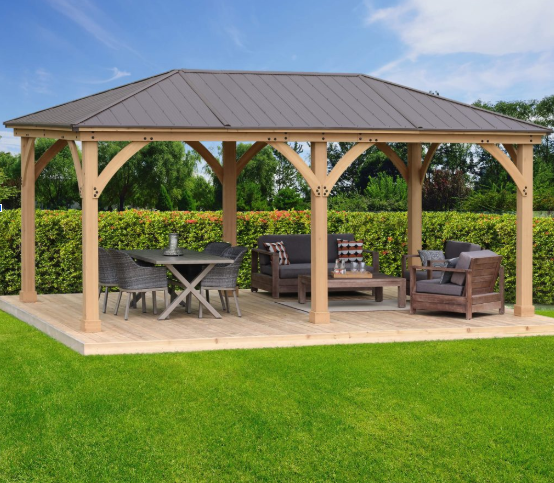
How to Turn an Unused Backyard Area Into a Gazebo Retreat
An unused backyard area can offer far more potential than homeowners often realize. What may currently be an empty patch of lawn, an overlooked corner, or an underused patio can become a comfortable outdoor retreat with the right planning and a well-positioned gazebo.
A gazebo can provide a defined space for outdoor dining, relaxing, entertaining, or enjoying time with family. However, transforming an empty area into a functional retreat requires more than choosing a structure. The installation gazebo process, furniture placement, site preparation, and finishing touches all play an important role.
With thoughtful planning and professional assistance when needed, homeowners can turn an ordinary backyard into an inviting outdoor destination.
Start With a Clear Backyard Plan
Before purchasing a gazebo, take time to assess the unused portion of your backyard. Understanding the available space and deciding how you want to use it will make it easier to select an appropriate structure and plan the surrounding area.
Consider the size, shape, accessibility, and existing features of the space. Trees, fences, pathways, landscaping, and existing outdoor furniture can all influence where the gazebo should be positioned.
See also: How IT Logistics Services Support Modern Businesses
Identify the Purpose of the Space
The first step is deciding what you want your gazebo retreat to accomplish. A homeowner who enjoys outdoor meals may want a dining table and comfortable chairs, while someone looking for a quiet place to relax may prefer lounge seating.
Think about your typical activities and how many people are likely to use the space. Your answers will help determine the size and layout of the gazebo.
Common uses include:
- Outdoor dining
- Family gatherings
- Entertaining guests
- Relaxing and reading
- Creating a dedicated seating area
- Enjoying the backyard in different seasons
A clear purpose helps prevent unnecessary purchases and ensures the finished area feels intentional rather than overcrowded.
Measure the Available Area
Accurate measurements are essential when planning a gazebo project. Measure the intended location and consider how much additional space will be needed around the structure for movement and access.
Do not focus only on whether the gazebo physically fits. Think about doors, walkways, furniture, landscaping, and other features that need to remain accessible.
It is also helpful to consider how components will reach the installation area. Narrow gates, steps, or other access limitations may affect the setup process. Planning these details early can make the installation gazebo project considerably easier.
Choose the Right Gazebo for Your Backyard
Once you understand how the space will be used, you can begin considering the type and size of gazebo that fits your needs. The best choice should complement both your home and the existing backyard environment.
Think about design, materials, dimensions, maintenance requirements, and how the gazebo will interact with the surrounding landscape. A well-chosen structure should feel like a natural extension of the property.
Consider Size and Layout
Gazebo size should be based on both the available area and intended use. A small structure may work well for a couple of chairs and a compact table, while a larger gazebo can accommodate dining furniture and multiple guests.
Leave enough room for people to move comfortably around the structure. Avoid selecting a gazebo that takes up nearly the entire available area.
Consider creating a simple layout before purchasing. Marking approximate dimensions on the ground can give you a better idea of how much space the finished structure will occupy.
Match the Gazebo to Your Outdoor Style
A gazebo should complement the character of the surrounding property. Consider its shape, roof design, materials, and overall appearance in relation to your home and existing outdoor features.
You can also use landscaping to connect the structure with the rest of the backyard. Planters, pathways, garden beds, and carefully selected furniture can help integrate the gazebo into the overall design.
The goal is to create a cohesive outdoor area rather than making the gazebo look like an isolated addition.
Plan for a Smooth Gazebo Installation
Once you have selected a structure, installation becomes the next major consideration. Gazebo assembly can involve multiple components, including posts, roof sections, panels, brackets, and fasteners.
The installation area may also need preparation before assembly begins. Depending on the location and structure, homeowners may need to consider leveling, anchoring, access, and the surrounding ground conditions.
Prepare the Installation Area
A clean and appropriately prepared work area can make assembly more efficient. Remove unnecessary furniture, garden equipment, decorations, and other objects from the immediate area.
Before work begins, consider:
- Whether the ground or existing surface is suitable
- How components will reach the installation area
- Where furniture will eventually be placed
- Whether pathways will remain accessible
- How the gazebo will fit with existing landscaping
Proper preparation can reduce interruptions and make the project easier to manage. If you are uncertain about the requirements, professional assistance can help simplify the planning process.
Consider Professional Assembly
A gazebo may look straightforward in photographs, but larger structures can require considerable time and coordination to assemble. Managing multiple components while keeping the structure properly positioned can be challenging for a single homeowner.
Professional gazebo installation services can provide a convenient alternative to tackling the entire project independently. We Install It offers gazebo installation and assembly assistance for homeowners who want to simplify the physical setup of their outdoor structures.
Professional help can be particularly useful for homeowners with limited time or those who prefer to focus on designing their backyard rather than managing a lengthy assembly project.
Understand the Gazebo Installation Cost
Budgeting is an important part of any backyard improvement. The gazebo installation cost can vary depending on the structure, size, installation location, accessibility, and complexity of the project.
Homeowners should consider more than the purchase price of the gazebo itself. Assembly, preparation, and other project requirements may contribute to the overall investment.
Factors That Affect Installation Expenses
There is no universal cost for every gazebo project. Different properties and structures can require different amounts of time and preparation.
Factors that may influence gazebo installation cost include:
- Size and design of the gazebo
- Number of components
- Accessibility of the backyard
- Installation surface and site conditions
- Assembly complexity
- Additional preparation requirements
- Relocation or customization needs
Getting a clear understanding of the project’s requirements before installation can help homeowners establish a more realistic budget.
Compare DIY Time With Professional Help
DIY assembly may seem like the obvious way to reduce expenses, but homeowners should also consider the value of their time. A complicated gazebo can require several hours or even multiple days of planning and assembly.
Professional assistance can be worthwhile for homeowners who have demanding schedules or limited experience with larger outdoor structures. We Install It can help homeowners manage the assembly process while they concentrate on other parts of their backyard project.
The right approach depends on the individual project, but comparing both time and financial considerations can help homeowners make an informed decision.
Furnish Your New Gazebo Retreat
Once the gazebo is installed, furniture becomes one of the most important elements of the retreat. The right pieces can make the area comfortable and functional without overwhelming the available space.
Start with the primary activity. If the gazebo is intended for meals, prioritize an appropriately sized table and chairs. For relaxation, consider lounge seating, side tables, and other practical additions.
Choose Furniture Based on Use
Furniture should support the way you intend to use the gazebo. Avoid buying pieces simply because they look attractive if they do not fit your available space or lifestyle.
For example, a compact gazebo may benefit from lightweight, movable furniture, while a larger structure can accommodate a complete dining or conversation area.
Keep proportions in mind. Oversized furniture can make a gazebo feel crowded, while furniture that is too small may leave the space feeling unfinished. Measure furniture before purchasing to ensure it will fit comfortably.
Keep the Layout Comfortable
Furniture arrangement should allow people to move easily between seating areas and entrances. Avoid blocking access points or placing large items where they restrict movement.
You can create a simple conversation area by positioning chairs around a small table. Alternatively, a dining table can become the central feature of a larger gazebo.
Leave some open space where possible. A balanced layout can make the retreat feel more spacious and give you flexibility when hosting guests.
Add Finishing Touches to Complete the Retreat
Furniture provides the foundation, but smaller details can give your gazebo retreat its personality. Accessories can introduce visual interest while also making the space more practical.
The key is to choose additions that support the purpose of the area. A few carefully selected elements can be more effective than filling every available surface.
Use Lighting and Decorative Elements
Outdoor lighting can help define the gazebo after sunset and contribute to the overall atmosphere of the backyard. Depending on the setup, homeowners might consider appropriate lighting around the structure or within the surrounding area.
Other additions can include:
- Outdoor cushions
- Small side tables
- Planters
- Outdoor rugs
- Decorative accessories
- Storage solutions
Select items that suit the existing style of your home and backyard. Keeping the design consistent can make the gazebo feel like an integrated part of the property.
Plan for Seasonal Use
A gazebo can be used in different ways throughout the year, but homeowners should plan for seasonal changes. Furniture may need to be rearranged, covered, cleaned, or stored depending on local weather conditions and the materials involved.
Removable cushions and accessories can be stored when they are not needed. Furniture should be maintained according to the manufacturer’s recommendations.
Planning for seasonal care can help keep the retreat organized and ready for use. It also gives homeowners an opportunity to refresh the space periodically without making major changes.
Conclusion
Turning an unused backyard area into a gazebo retreat starts with thoughtful planning. Homeowners should identify how they want to use the space, measure the available area, choose a suitable gazebo, and consider how furniture and accessories will fit into the finished design.
The installation gazebo process is another important consideration. Proper preparation and professional assistance can simplify the assembly of larger or more complicated structures. Understanding the gazebo installation cost in advance can also help homeowners establish a realistic project budget.
With the right structure, furniture, layout, and finishing touches, an overlooked backyard area can become a comfortable and functional outdoor destination. Professional services from We Install It can make gazebo installation more convenient, allowing homeowners to spend less time managing assembly and more time enjoying their completed retreat.