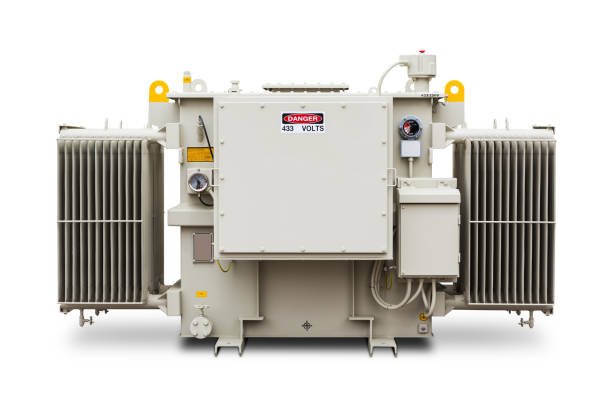
How 3 Phase Pad Mounted Transformers Improve Power Distribution
Reliable power distribution is essential for modern residential communities, commercial buildings, industrial facilities, and infrastructure projects. As electrical demand continues to grow, distribution systems need equipment that can safely transform voltage while maintaining dependable performance. One solution widely used in distribution networks is the 3 phase pad mounted transformer.
Designed for installation at ground level on a concrete pad, these transformers provide an efficient way to distribute electrical power without requiring traditional overhead transformer installations. Their enclosed construction can also help protect energized components and provide a practical solution for areas where underground distribution systems are preferred.
Understanding how 3 phase pad mounted transformers work and why they are used can help utilities, electrical contractors, engineers, and facility owners make informed decisions when planning power distribution systems.
What Is a 3 Phase Pad Mounted Transformer?
A 3 phase pad mounted transformer is a distribution transformer designed to serve three-phase electrical systems. Unlike pole-mounted transformers, which are typically installed above ground on utility poles, pad-mounted units are installed at ground level on a concrete or similar foundation.
These transformers are commonly used with underground electrical distribution networks. Incoming medium-voltage electricity enters the transformer, where the voltage is reduced to a level suitable for homes, businesses, industrial equipment, or other connected loads.
See also: Mortgage Broker Support for First-Time Buyers and Experienced Homeowners
Understanding Three-Phase Power
Three-phase power uses three alternating electrical currents that are separated by a specific phase angle. This arrangement allows electrical systems to deliver power efficiently and is widely used for commercial and industrial applications.
Compared with single-phase systems, three-phase power can provide a more balanced and efficient method of supplying larger electrical loads.
A 3 phase transformer contains three primary and three secondary winding arrangements, configured according to the electrical requirements of the system.
Why Pad-Mounted Construction Matters
Pad-mounted transformers are designed with protective enclosures that house the transformer and associated electrical connections. This construction makes them suitable for locations where overhead electrical equipment is undesirable or impractical.
Because the transformer is installed at ground level, utility personnel can access it for inspection and maintenance without relying on elevated equipment in the same way they would with pole-mounted installations.
How 3 Phase Pad Mounted Transformers Improve Power Distribution
The primary function of a transformer is to change electrical voltage through electromagnetic induction. Pad-mounted transformers contribute to efficient distribution by reducing medium-voltage electricity to a usable secondary voltage near the point of consumption.
Efficient Voltage Transformation
Electrical utilities commonly transmit and distribute power at higher voltages to improve transmission and distribution efficiency. Before electricity reaches end users, the voltage must be reduced to an appropriate level.
A pad-mounted transformer performs this step locally. By positioning the transformer closer to the electrical load, distribution systems can efficiently supply electricity to connected buildings and equipment.
Supporting Balanced Electrical Loads
Three-phase transformers can distribute electrical power across three phases, helping support balanced loads in commercial and industrial environments.
Proper load balancing can improve system performance and help reduce unnecessary stress on electrical equipment. Engineers consider load characteristics and phase distribution when designing a three-phase electrical system.
Applications of 3 Phase Pad Mounted Transformers
These transformers are used in many settings where underground three-phase power distribution is required.
Commercial Developments
Shopping centers, office complexes, warehouses, restaurants, and other commercial properties may require three-phase electrical service. Pad-mounted transformers can provide the voltage transformation necessary to supply these facilities.
Their ground-level installation can also complement modern commercial developments where overhead utility lines are limited or avoided.
Industrial Facilities
Industrial facilities often have substantial electrical requirements for motors, production equipment, automation systems, lighting, and other machinery.
A properly sized 3 phase pad mounted transformer can help deliver the required electrical capacity while integrating into an underground distribution network.
Residential Communities
Large residential developments, apartment complexes, and planned communities may use underground electrical distribution systems. Pad-mounted transformers can provide localized voltage transformation for groups of homes or buildings.
The enclosed design can also provide a practical solution for neighborhoods where overhead distribution equipment is not preferred.
Key Components of a Pad Mounted Transformer
Understanding the major components of a transformer helps explain how it performs its role in a distribution network.
Transformer Core and Windings
The core provides a path for magnetic flux, while the primary and secondary windings carry electrical current. The relationship between the number of turns in these windings determines the voltage transformation ratio.
High-quality materials and careful manufacturing can help minimize losses and support reliable operation.
Protective Enclosure
The enclosure protects internal components from environmental conditions and helps restrict access to energized electrical equipment.
Pad-mounted transformer enclosures are designed for outdoor installation and may incorporate features intended to withstand weather exposure and other environmental conditions.
Bushings and Connections
Bushings provide insulated connections between internal transformer windings and external electrical conductors. The exact configuration depends on the transformer’s voltage, connection arrangement, and application.
Proper connections are essential for safe and reliable operation.
Advantages of Pad Mounted Transformer Systems
Several characteristics make pad-mounted transformers useful for modern distribution networks.
Improved Aesthetics
Because pad-mounted transformers are installed at ground level and do not require utility poles, they can provide a cleaner visual appearance than traditional overhead distribution equipment.
This can be particularly valuable in residential developments, commercial properties, and areas where visual impact is an important consideration.
Compatibility With Underground Distribution
Pad-mounted transformers are particularly well suited to underground electrical distribution systems. Underground cables can connect the transformer to upstream distribution equipment and downstream customer loads.
This configuration can reduce reliance on overhead lines and integrate well with modern site development.
Convenient Ground-Level Access
Maintenance and inspection can generally be performed from ground level, although appropriate electrical safety procedures must always be followed.
Ground-level access can make certain maintenance tasks more practical for trained utility and electrical personnel.
Protection From Some Environmental Hazards
The enclosed construction provides protection for internal transformer components against direct exposure to weather. However, the transformer remains an outdoor electrical device and must be installed in accordance with manufacturer requirements and applicable electrical codes.
Selecting the Right 3 Phase Pad Mounted Transformer
Choosing a transformer requires careful consideration of both current and future electrical requirements.
Determine Voltage and Capacity
The primary voltage must match the incoming distribution system, while the secondary voltage must meet the requirements of the connected loads.
The transformer’s kVA rating should also be selected based on expected demand. Engineers may consider continuous load, peak demand, motor starting requirements, power factor, and potential future expansion.
Consider Transformer Configuration
Different applications may require different winding configurations, impedance levels, connection arrangements, and grounding methods.
The appropriate configuration depends on the electrical system and should be determined by qualified professionals.
Evaluate Efficiency
Transformer losses can contribute to energy consumption over the equipment’s operating life. Evaluating efficiency can therefore be an important part of selecting distribution equipment.
Although a more efficient transformer may have a higher initial purchase cost, reduced energy losses can potentially provide long-term operating benefits.
Installation and Safety Considerations
Proper installation is essential for reliable transformer performance. A suitable concrete pad or foundation should be prepared according to the manufacturer’s specifications.
Maintain Appropriate Clearances
Adequate space should be provided around the transformer for ventilation, access, maintenance, and safety. The installation should also account for doors, cable connections, nearby structures, landscaping, and vehicle movement.
Follow Electrical Standards
Installation should comply with applicable electrical codes, utility requirements, and manufacturer instructions. Only qualified electrical professionals should install, inspect, or service energized transformer equipment.
Grounding and protective devices should be properly designed to help protect both equipment and personnel.
Maintenance and Long-Term Reliability
Regular inspection can help identify potential problems before they result in equipment failure.
What Should Be Inspected?
Depending on the transformer design and maintenance program, inspections may include checking the enclosure, connections, grounding, signs of overheating, corrosion, physical damage, and other abnormal conditions.
Oil-filled units may require additional monitoring and maintenance according to the manufacturer’s recommendations.
Preventive maintenance can help extend equipment life and support reliable power distribution.
Conclusion
3 phase pad mounted transformers play an important role in modern electrical distribution systems. By reducing distribution voltage to levels appropriate for customers and equipment, they help deliver electricity efficiently to residential, commercial, and industrial loads.
Their ground-level construction makes them particularly suitable for underground distribution networks, while their enclosed design provides protection for internal electrical components and supports practical outdoor installation. Three-phase operation also makes these transformers well suited to systems with substantial commercial or industrial electrical demand.
When selecting a 3 phase pad mounted transformer, factors such as kVA capacity, primary and secondary voltage, configuration, efficiency, installation environment, safety clearances, and future electrical demand should all be considered.
With appropriate sizing, professional installation, and regular maintenance, a properly selected pad-mounted transformer can serve as a reliable component of a modern power distribution system for many years.