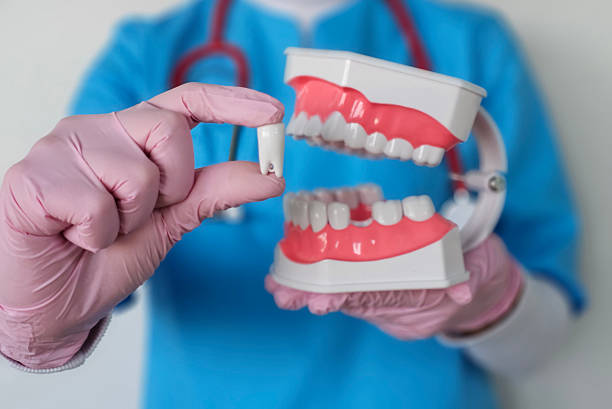
What Are Single-Tooth Dental Implants and How Do They Work?
Losing a single tooth can affect your smile, chewing ability and overall oral function. Although traditional options such as dental bridges and removable appliances can replace a missing tooth, dental implants offer another approach by replacing the tooth root as well as the visible tooth.
Single-Tooth Dental Implants are designed to provide a stable foundation for a replacement tooth. They can be used when a person has lost one tooth because of decay, injury, gum disease or other dental circumstances. Understanding how the treatment works can help you know what to expect before making a decision.
What Are Single-Tooth Dental Implants?
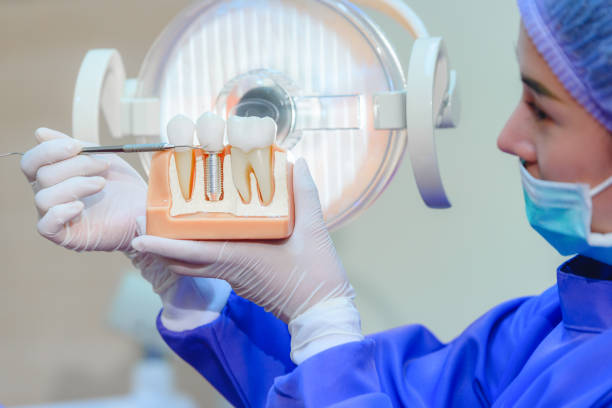
A single-tooth dental implant is a tooth replacement solution designed to replace one missing tooth. The treatment generally consists of three main components:
- Implant fixture: A small post placed into the jawbone to act as an artificial tooth root.
- Abutment: A connector that joins the implant fixture to the replacement tooth.
- Dental crown: The visible restoration designed to replace the missing tooth.
Together, these components create a replacement that is designed to function and look similar to a natural tooth.
See also: Carpet Cleaning for Commercial Spaces: A Practical Guide to Cleaner Workplaces
How Do Single-Tooth Dental Implants Work?
The treatment process usually takes place over several stages. Unlike some replacement options that can be fitted relatively quickly, an implant requires a healing period so that the implant can integrate with the surrounding bone.
Step 1: Initial Consultation
The process begins with a dental examination. The dentist evaluates the condition of your teeth, gums and jawbone.
Dental imaging may be used to assess bone structure and determine where the implant should be positioned. Your dental history and individual circumstances may also be considered when developing the treatment plan.
The consultation is an opportunity to discuss the treatment process, expected timeline and available alternatives.
Step 2: Preparing for Implant Placement
Before the implant is placed, any existing oral health concerns may need to be addressed. Healthy gums and sufficient bone support are important considerations for implant treatment.
If there is not enough bone in the intended implant area, a bone graft may sometimes be recommended. Whether this is necessary depends on the individual’s jawbone condition.
Step 3: Implant Placement
During the implant procedure, the implant fixture is carefully positioned within the jawbone.
Local anaesthesia is typically used to keep the procedure comfortable. Once the implant has been placed, the surrounding gum tissue begins to heal.
The implant is not immediately equivalent to a fully healed natural tooth root. It requires time to integrate with the surrounding bone.
Understanding Osseointegration
One of the most important stages of Single-Tooth Dental Implants treatment is osseointegration.
Osseointegration is the process through which the implant gradually integrates with the surrounding jawbone. This creates a stable foundation for the final dental restoration.
The length of this healing period varies between individuals. Factors such as bone quality, implant location and general healing can influence the timeline.
During this stage, your dental professional may schedule follow-up appointments to monitor progress.
Step 4: Abutment Placement
After the implant has sufficiently integrated with the jawbone, an abutment can be attached.
The abutment acts as the connection between the implant fixture and the final crown.
Depending on the treatment approach, the abutment may be placed during the initial procedure or at a later appointment. Your dentist will determine the most appropriate approach based on your treatment plan.
Step 5: Placement of the Dental Crown
The final stage involves attaching the custom dental crown.
The crown is designed to replace the visible portion of the missing tooth. Your dentist considers factors such as the shape, size, colour and position of the surrounding teeth when planning the restoration.
Once the crown is fitted, it provides the visible and functional part of the implant-supported replacement.
Benefits of Single-Tooth Implant Treatment
For suitable patients, implant treatment can offer several potential benefits.
A Stable Replacement
Because the implant is positioned within the jawbone, it provides a firm foundation for the replacement crown.
Natural-Looking Appearance
A custom-made crown can be designed to complement the colour and shape of the surrounding teeth, helping create a natural-looking smile.
Support for Chewing
A properly fitted implant restoration can help restore chewing function after tooth loss.
No Support From Adjacent Teeth
Unlike a traditional bridge, a single implant does not necessarily require neighbouring teeth to be prepared to support the replacement.
Support for Jawbone
Replacing the root portion of a missing tooth can provide stimulation to the surrounding jawbone. This may help reduce the bone loss that can occur following tooth loss.
Who May Be Suitable for a Single Dental Implant?
Not everyone is automatically suitable for implant treatment. A dental professional will assess several factors before recommending the procedure.
Important considerations may include:
- The condition of the jawbone
- Gum health
- The location of the missing tooth
- Overall oral health
- Existing dental conditions
- Factors that may affect healing
If additional treatment is required, the dentist can explain the options and how they may affect the overall treatment timeline.
How Long Does the Treatment Take?
The complete process can take several months, although the exact timeline differs between patients.
The initial consultation, implant placement, healing period and final crown placement are typically separate stages. Patients who require bone grafting or other preparatory treatment may need additional time.
It is therefore important to view implant treatment as a complete process rather than a procedure that is finished immediately after implant placement.
Caring for Your Dental Implant
Once treatment has been completed, maintaining good oral hygiene is important for protecting the implant and surrounding tissues.
Daily care may include:
- Brushing twice a day with fluoride toothpaste
- Cleaning between the teeth and around the implant
- Attending regular dental examinations
- Following professional cleaning recommendations
- Avoiding habits that could damage the crown
- Contacting your dentist if you notice unusual changes
Although the implant itself cannot develop tooth decay, the surrounding gums and remaining natural teeth still require regular care.
Single-Tooth Dental Implants vs Dental Bridges
Both implants and bridges can be used to replace a single missing tooth, but they work differently.
A dental bridge uses neighbouring teeth or other supporting structures to hold a replacement tooth in position. A dental implant uses an implant fixture placed in the jawbone to support the replacement.
The appropriate option depends on factors such as oral health, bone condition, personal preferences and the recommendations of your dental professional.
Final Thoughts
Single-Tooth Dental Implants provide a structured approach to replacing one missing tooth by using an implant fixture, abutment and dental crown. The treatment involves careful assessment, implant placement, a healing period and final restoration.
While the process can take time, the result is designed to provide a stable replacement that supports everyday oral function and appearance.
If you are considering Single-Tooth Dental Implants, consult a qualified dental professional for a comprehensive evaluation. They can assess your individual needs, explain the treatment stages and help you understand whether an implant or another tooth replacement option is appropriate for you.