How Pole Mounted Transformers Support Reliable Electrical Distribution
Electrical distribution networks depend on equipment that can reduce voltage safely before electricity reaches homes, farms, businesses, and other facilities. One of the most recognizable components in overhead distribution systems is the transformer installed on a utility pole. Although the equipment may appear simple from the ground, its design and placement serve several practical purposes within a power distribution network.
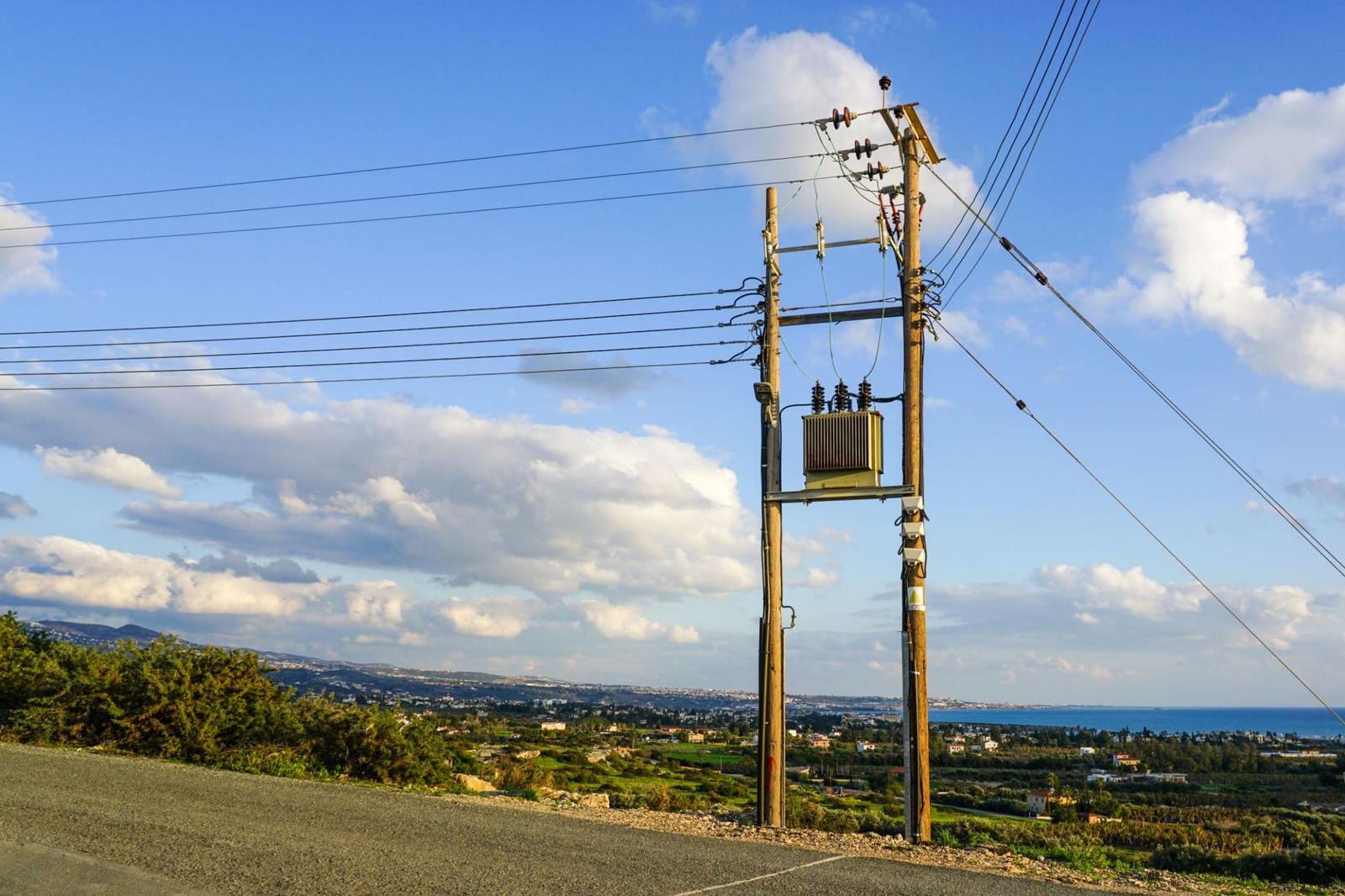
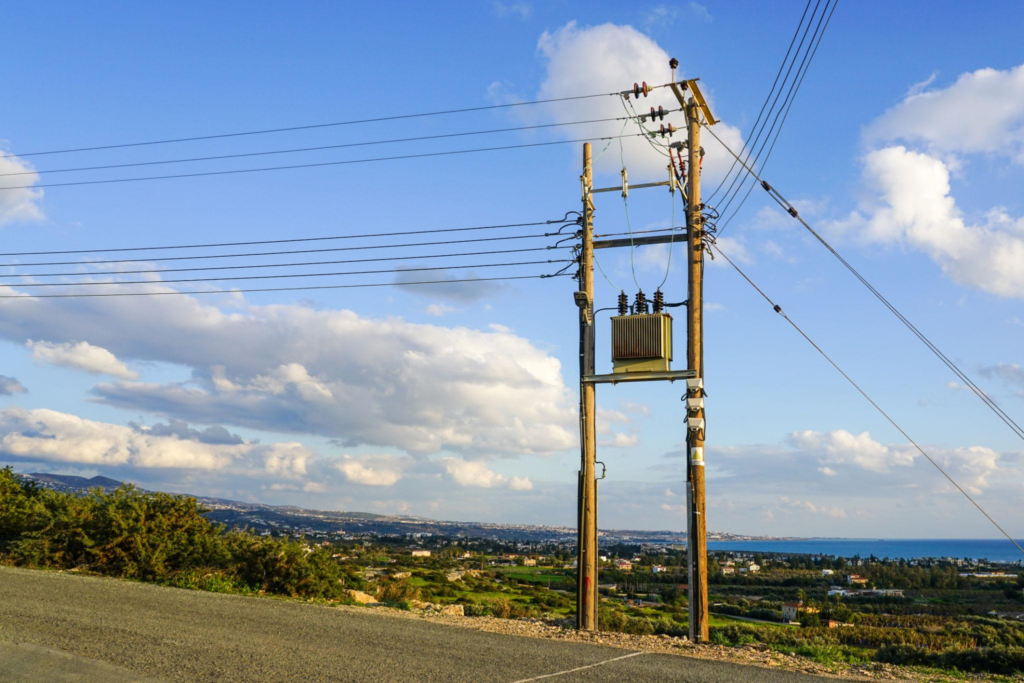
A pole mount transformer is designed to reduce the voltage supplied through distribution lines to a level suitable for local consumers. Its position on a pole keeps the equipment above ground while allowing electrical utilities to connect it directly to overhead distribution conductors.
What a Pole-Mounted Transformer Does
Electricity travels through transmission and distribution networks at different voltage levels. Higher voltages allow electrical energy to travel over long distances more efficiently. Before electricity enters a residential or commercial property, the voltage must be reduced to a usable level.
The transformer performs this voltage conversion through electromagnetic induction. Inside the transformer, primary and secondary windings are arranged around a magnetic core. Electrical energy entering the primary winding creates a magnetic field in the core, which induces a different voltage in the secondary winding.
The amount of voltage reduction depends on the turns ratio between the primary and secondary windings. This allows utilities to select transformer configurations suited to the electrical requirements of a particular service area.
See also: How 3 Phase Pad Mounted Transformers Improve Power Distribution
Why Transformers Are Installed on Utility Poles
Overhead electrical distribution systems commonly use poles to support conductors, communication lines, switches, and other equipment. Installing transformers above ground keeps them within the existing distribution infrastructure rather than requiring a separate ground-level installation.
Space is another consideration. In areas where underground equipment is impractical or where overhead distribution is already established, pole installation can provide a relatively straightforward arrangement.
A typical installation includes the transformer, mounting hardware, conductors, protective equipment, and connections leading toward customer services. The exact configuration varies according to local utility standards, voltage requirements, transformer capacity, and environmental conditions.
Different Types of Pole Transformers
The term pole mounted transformers covers several transformer configurations used in overhead distribution networks. The appropriate design depends on the characteristics of the electrical system and the load being served.
Single-phase units are frequently associated with residential distribution. They can serve individual homes or groups of nearby properties where the electrical demand fits the transformer’s capacity.
Three-phase transformers are used where larger or more complex electrical loads require three-phase power. Commercial facilities, industrial sites, and certain agricultural operations may require this type of distribution.
Transformer construction can also vary according to insulation and cooling methods. Many distribution units use insulating oil to provide electrical insulation and assist with heat dissipation. Proper enclosure design helps protect internal components from environmental exposure.
How Utility Pole Transformers Are Connected
A distribution circuit normally carries electricity at a voltage higher than the voltage required by customers. The primary side of the transformer connects to the distribution line, while the secondary side supplies electricity toward service connections.
Protective devices are installed as part of the distribution arrangement. These may include fuses, surge protection, grounding equipment, and other components intended to limit damage during abnormal electrical conditions.
The transformer itself must be properly grounded and installed according to applicable electrical and utility requirements. Clearances around energized equipment are also necessary because distribution systems can involve dangerous voltages.
For this reason, inspection and maintenance should be performed only by qualified electrical personnel or authorized utility workers.
Factors That Determine Transformer Capacity
Electrical load is one of the main considerations when selecting a transformer. A unit that is too small may become overloaded, generating excessive heat and reducing its service life. A transformer with significantly more capacity than required may increase equipment and installation costs without providing a practical benefit.
Utilities evaluate expected demand, the number of customers connected to the circuit, seasonal usage, motor loads, and future changes in electrical consumption.
Environmental conditions can also affect selection. Temperature, altitude, moisture, pollution, wind exposure, and available mounting space may influence equipment specifications.
Proper sizing helps maintain voltage within acceptable limits while allowing the distribution system to operate efficiently.
Common Applications
Utility pole transformers are widely associated with residential neighborhoods where overhead distribution lines supply electricity to individual houses. They can also serve rural properties, farms, small businesses, and other locations connected to overhead networks.
In rural areas, long distances between customers can make overhead distribution practical. A transformer positioned close to a group of customers can reduce the voltage before electricity travels through lower-voltage service conductors.
Commercial applications may require larger or specialized transformer arrangements. Electrical engineers and utilities consider the site’s load characteristics before determining the appropriate configuration.
Maintenance and Inspection
Distribution transformers are designed for long-term operation, but regular inspection remains necessary. Utility personnel may check for signs of oil leakage, damaged bushings, corrosion, unusual noise, overheating, damaged connections, or problems with mounting hardware.
Vegetation management is also relevant around overhead electrical equipment. Trees and branches that contact energized conductors can cause outages, equipment damage, and serious safety hazards.
Utilities may use visual inspections, thermal imaging, electrical testing, and other diagnostic methods to identify developing problems. The frequency and type of inspection depend on utility procedures, equipment condition, and local environmental factors.
Members of the public should never approach damaged electrical equipment. A fallen transformer, damaged pole, sparking conductor, or leaking transformer should be reported to the relevant utility company.
Safety Considerations Around Pole Transformers
Electrical distribution equipment can remain energized even when it appears inactive or damaged. Maintaining a safe distance is therefore essential.
Only trained personnel should work on or near transformers and associated distribution conductors. Utility crews follow procedures for isolation, grounding, testing, and personal protective equipment before performing maintenance.
Property owners should also avoid attaching signs, equipment, antennas, decorations, or other objects to utility poles and transformers unless specifically permitted by the responsible utility.
Understanding these basic precautions can reduce accidental contact with energized equipment and help prevent avoidable injuries.
Choosing the Right Distribution Arrangement
The design of an overhead distribution system depends on more than transformer size. Engineers consider voltage levels, customer demand, conductor capacity, fault protection, physical location, environmental conditions, and applicable electrical standards.
Pole transformers are therefore selected as part of a larger electrical distribution design rather than as isolated pieces of equipment. Their performance depends on correct installation, appropriate protection, proper grounding, and adequate system capacity.
For utilities, careful equipment selection also supports dependable service and easier maintenance. For customers, correctly designed distribution equipment helps provide the voltage required by household appliances, commercial equipment, lighting, and other electrical loads.
Understanding how these transformers function makes it easier to see their role within the broader electrical network. From the distribution line to the service entrance, each component has a specific job in moving electricity safely and reliably to the people and facilities that use it.