Polycarbonate Rooflights for Flat Roofs: A Practical Guide to Light, Design and Installation
Flat roofs are common on extensions, garages, commercial buildings, workshops and modern homes. Yet these spaces can often feel darker than rooms with pitched roofs and conventional windows. A rooflight can change the amount of natural light entering a building without taking up valuable wall space.
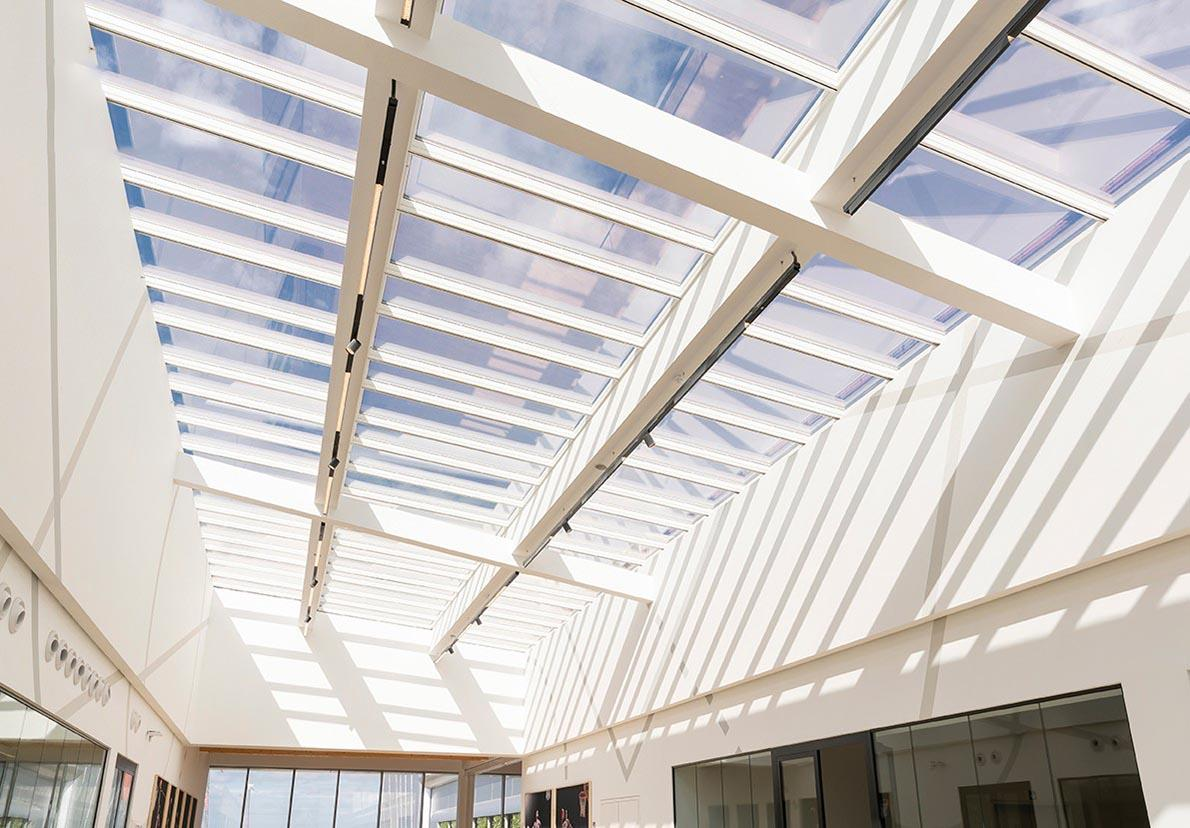
Polycarbonate rooflights flat roofs are particularly suited to applications where low weight, impact resistance and practical installation matter. Polycarbonate is a durable thermoplastic material that can be manufactured in different profiles, shapes and finishes, giving property owners several options for improving daylight levels.
Before selecting a rooflight, it helps to understand how polycarbonate performs, which designs are available and what should be considered before installation.
Why polycarbonate is used for rooflights
Polycarbonate is widely used in construction because it combines relatively low weight with good impact resistance. Compared with some traditional glazing materials, it can be easier to handle during installation.
For flat-roof applications, this can be useful because roof access may be restricted and installers may need to move materials through narrow areas. A lighter rooflight can simplify handling, although the complete roof system still needs to be assessed for structural suitability.
Polycarbonate can also provide useful light transmission. Clear sheets allow a high level of daylight through, while opal or tinted options can diffuse or reduce incoming light. The appropriate finish depends on the room, orientation of the roof and the amount of daylight required.
Another consideration is durability. Quality polycarbonate products are generally designed to withstand everyday environmental exposure, although performance varies between products. UV protection, thickness, profile and manufacturing quality can all affect service life.
See also: How Pole Mounted Transformers Support Reliable Electrical Distribution
Choosing the right shape and profile
Flat-roof rooflights are available in several forms. Some are flat panels, while others use raised profiles or domed designs.
Polycarbonate roof domes can be suitable where a raised rooflight is preferred. Their shape can help create a distinctive appearance while allowing daylight to enter from above. Domed rooflights are commonly considered for flat roofs on extensions, utility areas and commercial premises.
Flat panels may offer a simpler appearance and can work well where the roof design calls for a relatively low-profile finish. Profiled sheets can also be selected when compatibility with an existing roofing system is required.
The dimensions should be selected carefully. A larger rooflight will generally provide more daylight, but increasing the opening also affects the roof structure and waterproofing details. The supporting framework must therefore be designed to carry the surrounding roof loads without placing inappropriate stress on the rooflight.
Think about heat as well as daylight
Adding natural light to a room can improve its appearance, but roof glazing can also affect internal temperatures.
A clear polycarbonate rooflight can allow considerable solar radiation into a room, particularly when the roof receives strong sunlight for several hours each day. This may be useful during colder periods but could contribute to overheating during summer.
The rooflight’s finish and glazing specification should therefore be considered alongside ventilation and insulation. Opal materials can diffuse incoming light and may reduce glare compared with fully clear products.
The location of the rooflight also matters. A rooflight positioned above a frequently occupied area may have different requirements from one installed over a garage or storage space.
Buying rooflights: what should you check?
Anyone comparing polycarbonate rooflights for sale should look beyond price alone. Product dimensions, thickness, profile, UV protection, light transmission and compatibility with the existing roof should all be checked before ordering.
It is also useful to confirm exactly what is included. Some products may be supplied as individual sheets, while others may form part of a complete rooflight system with fixings, seals or associated components.
Measurements should be taken carefully before ordering. The roof opening, supporting structure and required overlap all need to correspond with the manufacturer’s installation requirements.
For unusual roof configurations, professional advice can prevent problems later. A rooflight that appears suitable based on dimensions may not be appropriate if its profile, fixing method or structural requirements differ from the existing roof.
Buying online and comparing specifications
Searching for polycarbonate rooflights online can make it easier to compare different sizes and specifications from several suppliers. Online listings often provide technical information that allows buyers to check dimensions and material details before making a decision.
However, product descriptions should be read carefully. Terms such as clear, translucent, opal, multiwall and profiled can describe significantly different products.
Buyers should also check delivery information, especially when ordering large sheets. Packaging and transportation can affect the condition in which materials arrive. Checking the supplier’s returns policy and product warranty can provide additional information before placing an order.
Price comparisons are useful, but the cheapest product may not meet the requirements of a particular roof. The correct specification should take priority over a small difference in purchase price.
Installation and waterproofing
A rooflight is part of the roof envelope, so installation needs to maintain the roof’s weather resistance. Poorly positioned fixings, unsuitable seals or incorrect overlaps can create opportunities for water ingress.
The supporting structure should be prepared according to the product manufacturer’s instructions. Fixings should not be overtightened, as excessive pressure can damage the sheet or restrict its ability to accommodate normal thermal movement.
Thermal expansion deserves attention with polycarbonate. The material can expand and contract as temperatures change, so installation details need to allow for this movement.
Where the rooflight forms part of a larger roofing system, compatibility between materials is also important. Seals, flashings and fixings should be suitable for the roof covering and the polycarbonate product.
For complex installations or structural alterations, a qualified roofing professional can assess the existing construction and install the rooflight appropriately.
Maintenance over the years
Polycarbonate rooflights generally require relatively straightforward maintenance. Dirt, leaves and other debris can reduce the amount of daylight passing through the material, so periodic cleaning can help maintain light transmission.
Cleaning should be carried out using methods recommended by the manufacturer. Abrasive materials or unsuitable chemicals may scratch or damage the surface.
The surrounding seals and flashing should also be inspected from time to time. Small defects can become larger waterproofing problems if they are left untreated.
For anyone planning to purchase polycarbonate rooflights, checking the manufacturer’s maintenance recommendations before buying can help establish what care the product requires throughout its service life.
A practical choice for many flat roofs
Polycarbonate rooflights can provide a practical way to introduce more daylight into rooms beneath flat roofs. Their relatively low weight, impact resistance and range of available finishes make them suitable for many domestic and commercial applications.
The right choice depends on more than the material itself. Roof construction, dimensions, light requirements, heat gain, ventilation, installation details and product specifications all deserve consideration before an opening is created.
A carefully selected and correctly installed rooflight can make a darker interior feel brighter while retaining the functional requirements of the existing roof.